
Iran Conflict: The Underlying Reasons Keeping Yemen’s Houthis from Direct Warfare

- Update Time : Saturday, March 7, 2026
- 67 Time View
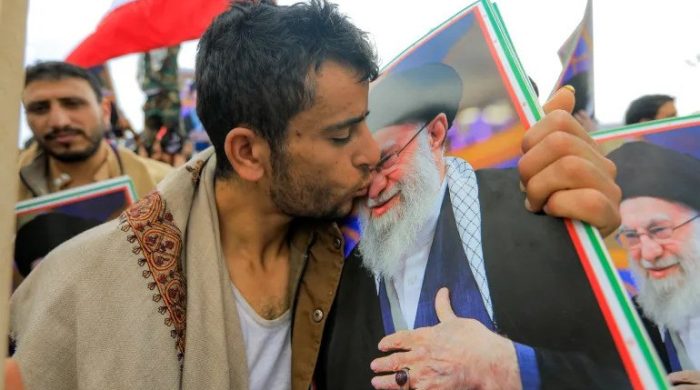
Despite regularly attacking US and Israeli targets since the start of the Gaza war, Yemen’s Houthis have remained noticeably quiet following the US-Israeli strikes on Iran on February 28. In the current situation, their support for Tehran is limited to verbal statements and protest rallies. According to analysts, this sudden silence is not a sign of weakness; rather, it is a calculated exercise in “strategic patience.”
Key Reasons for Delaying Direct Involvement
-
Fear of Losing Top Leadership: Last August, an Israeli airstrike in the Yemeni capital, Sana’a, killed 12 top leaders, including the Houthi government’s Prime Minister and Chief of Staff. This massive blow has made them much more cautious. Currently, they are highly concerned about US and Israeli intelligence operations and the risk of targeted assassinations.
-
Iran’s Strategic Calculus: Analysts suggest that Iran does not want to play all its “trump cards” at once. Tehran is preserving the Houthis for future, more complex scenarios. However, Houthi leader Abdel-Malek al-Houthi has stated that their “fingers are on the trigger” and they are ready to join the conflict at any moment if required.
-
Protecting an Independent Image: The Houthis are reluctant to make hasty, impulsive decisions. They want to demonstrate that they are not merely a proxy group acting solely on Tehran’s orders, but an independent entity with its own strategic agency.
Potential Targets and Strategies if the Houthis Join the War
If the conflict is prolonged and the Houthis face direct threats, they may deploy highly destructive tactics.
-
Expanded Targets: Israeli territory, US warships and military installations deployed in the Red Sea and Arabian Sea, as well as Israeli allies like the United Arab Emirates or Somaliland, could become targets for Houthi drones and missiles.
-
Exploiting Strained Air Defenses: For the past week, the air defense systems of Israel and Gulf countries have been under significant pressure due to continuous Iranian missile strikes. Taking advantage of this vulnerability, Houthi long-range drone and missile attacks could prove far more lethal and effective than in previous months.
Iran’s Weakness and the Houthis’ Existential Crisis
The massive losses suffered by Iran’s political and military leadership due to US and Israeli strikes pose an indirect but severe threat to the Houthis. From a military standpoint, if the smuggling of Iranian weapons into Yemen decreases or stops completely, the Houthis will face a major supply crisis.
Furthermore, Iran serves as a significant religious and ideological symbol for the Houthis. Experts believe that if Iran’s current regime were to fall, it would shatter the Houthis’ morale and could accelerate the downfall of other Iran-backed proxy groups across the Middle East.