
Fuel Shortage Hits Lighterage Vessels: Bangladesh Supply Chain at Risk Ahead of Eid

- Update Time : Tuesday, March 10, 2026
- 63 Time View
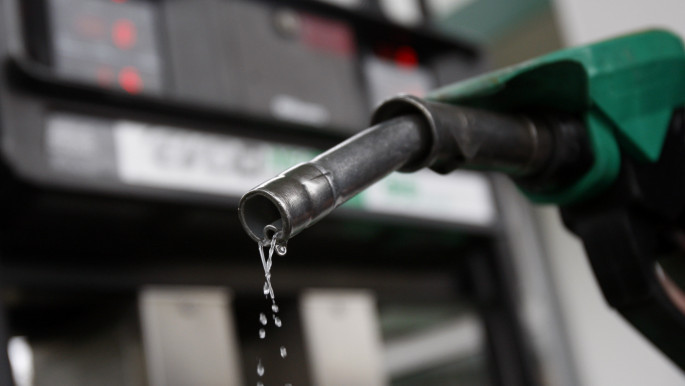
A deepening diesel crisis is paralyzing the operations of lighterage vessels at Chattogram port, sparking fears of a massive supply chain disruption across Bangladesh just weeks before the Eid holidays.
Industry leaders warn that if the fuel crunch persists, the movement of bulk cargo from the port’s outer anchorage to inland destinations will grind to a halt, leading to market instability and potential price hikes for essential commodities.
A Critical Link Under Pressure
Lighterage vessels are the backbone of Bangladesh’s import economy. Large “mother vessels” anchored in the deep sea transfer their cargo to these smaller ships, which then navigate the country’s river networks to reach local markets. Currently, around 1,500 vessels are responsible for this vital transition.
However, the government’s recent rationing measures—triggered by global fuel shortages linked to Middle East tensions—have left distributors with less than half the required supply.
“Unlike road transport, there are no refueling stations along waterways. If we send a vessel on a long route, it needs 5,000 liters at once. Because we can’t get that, more than half of our fleet is sitting idle.” — Mohammad Jahangir Alam, Owner of ANJ Trading.
The Impact by the Numbers
The scale of the shortage is creating a bottleneck at the nation’s busiest port:
-
73 Mother Vessels: Currently waiting at the outer anchorage to be unloaded.
-
500,000 Liters: The daily diesel requirement to keep the lighterage fleet moving.
-
25% Supply Cut: Official reduction in diesel distribution confirmed by state-run Padma Oil Company.
Vessels Stranded in the Karnaphuli
Despite being fully loaded with goods, dozens of vessels are currently floating aimlessly in the Karnaphuli River, unable to depart for their destinations due to empty fuel tanks.
Parvez Ahmed, convener of the Bangladesh Water Transport Coordination Cell, noted that the cell normally allocates 100 vessels daily, but the fuel shortage is making this impossible. “If these vessels cannot depart, cargo cannot be unloaded from the mother vessels. This will create a ripple effect, destabilizing the market for food and essentials,” he warned.
Government Response
While the situation is critical, Mofizur Rahman, Managing Director of Padma Oil Company, offered a glimmer of hope. He confirmed that while they are currently operating under a 25% supply cut per government orders, new fuel shipments are arriving.
“One vessel arrived yesterday, another today, and another is expected tomorrow,” Rahman said. “Fuel supply should return to normal within a few days.”
The Bottom Line
With Eid-ul-Fitr approaching—a period of peak domestic consumption—the stakes could not be higher. Sarwar Alam Sagar, president of the Bangladesh Ship Handling and Berth Operator Association, has called for urgent government intervention.
“If the waterway cargo movement collapses, it won’t just be an economic issue; it could become a humanitarian crisis,” Sagar stated.
The Coordination Cell has officially petitioned the government to prioritize uninterrupted fuel supplies for the maritime sector to protect the national economy and keep commodity prices stable.